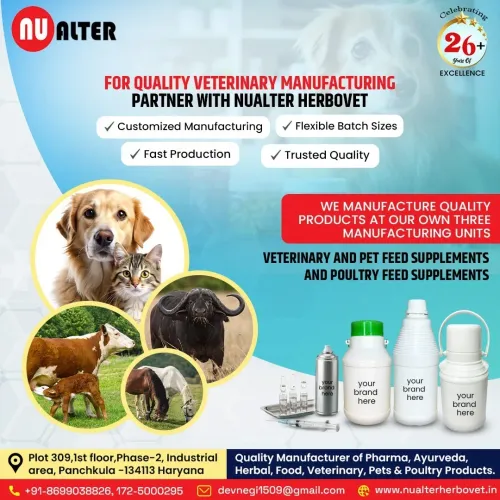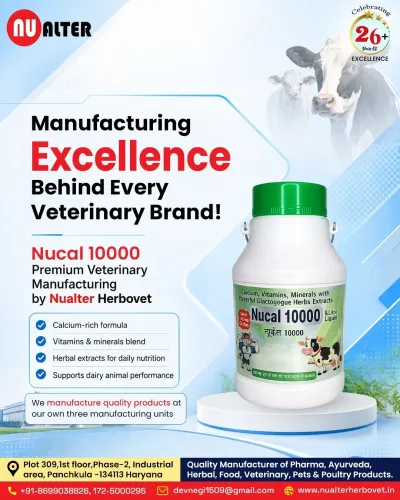

Launching a pharmaceutical brand is no longer limited to companies with their own manufacturing facilities. Today, many healthcare entrepreneurs, distributors, and pharmaceutical marketers rely on a reliable Third Party Pharmaceutical Manufacturing Company to produce quality medicines while they focus on branding, sales, and market expansion. The right manufacturing partner can influence product quality, regulatory compliance, delivery timelines, and overall business success.
For businesses in Panchkula and across Haryana, selecting a dependable manufacturing company requires more than comparing prices. It involves evaluating experience, certifications, manufacturing capabilities, and long-term support.
Understand Your Product Requirements
Before approaching a manufacturer, prepare a clear list of your product requirements. Consider factors such as:
- Product categories
- Dosage forms
- Packaging preferences
- Target market
- Regulatory requirements
- Expected order volumes
Having these details ready helps manufacturers recommend suitable production solutions and ensures smooth communication throughout the project.
Check Manufacturing Certifications
Quality assurance should always be a top priority. A professional pharmaceutical manufacturer should operate under recognized quality standards.
Look for certifications such as:
- WHO-GMP compliance
- ISO certifications
- GLP-compliant processes
- Proper manufacturing licenses
- Drug authority approvals where applicable
These certifications indicate that products are manufactured following strict quality control procedures.
Evaluate Manufacturing Capabilities
Different pharmaceutical companies specialize in different formulations. Confirm whether the manufacturer can produce products such as:
- Tablets
- Capsules
- Syrups
- Dry syrups
- Ointments
- Injections
- Nutraceuticals
- Herbal formulations
Working with a manufacturer offering diverse production capabilities allows your product portfolio to expand without changing suppliers.
Assess Quality Control Systems
Reliable manufacturers invest heavily in quality testing throughout production.
Important quality checkpoints include:
- Raw material testing
- In-process inspections
- Finished product analysis
- Stability testing
- Packaging verification
A transparent quality management system minimizes manufacturing risks and improves product consistency.
Ask About Research and Development Support
Innovation plays a significant role in pharmaceutical growth. Some manufacturers assist clients with:
- New formulation development
- Product improvements
- Packaging recommendations
- Regulatory documentation
- Market-oriented product suggestions
This additional support can benefit businesses planning long-term expansion.
Review Production Capacity
Manufacturing capacity directly affects supply reliability.
Questions worth asking include:
- Can the company handle seasonal demand?
- What is the average production turnaround time?
- How are urgent orders managed?
- Is there room for future scaling?
Reliable production planning prevents stock shortages and business interruptions.
Packaging Matters More Than Many Businesses Expect
Packaging protects products while strengthening brand identity.
A capable manufacturer should provide multiple packaging options for:
- Retail pharmacies
- Hospitals
- Institutional supplies
- Export markets
Modern packaging also helps maintain product stability and improves customer confidence.
Evaluate Communication and Project Management
Manufacturing partnerships often continue for years. Good communication is therefore essential.
A dependable partner should provide:
- Regular production updates
- Transparent documentation
- Dedicated account support
- Clear timelines
- Responsive customer service
Strong communication reduces misunderstandings and keeps projects moving efficiently.
Consider Local Manufacturing Advantages
Businesses located in Panchkula often benefit from working with manufacturers operating within the region. Local coordination can simplify meetings, documentation, logistics, and quality discussions. Haryana has developed into an important pharmaceutical manufacturing destination because of its industrial infrastructure and connectivity to major healthcare markets across North India.
Choosing the Right Partner
While pricing is an important consideration, selecting a manufacturer based solely on the lowest quotation may create quality or supply challenges later. A balanced evaluation should include:
- Manufacturing expertise
- Product quality
- Regulatory compliance
- Delivery performance
- Product range
- Technical support
- Scalability
- Reputation in the pharmaceutical industry
Companies such as Altar Group Cos. (An Asso. of Nu Alter Group Co.) represent the type of manufacturing partner that focuses on quality systems, diverse pharmaceutical production, and dependable business support for distributors and healthcare entrepreneurs seeking long-term manufacturing relationships.
Choosing the right Third Party Pharmaceutical Manufacturing Company is ultimately about building a partnership that supports sustainable growth, consistent product quality, and market credibility. Taking the time to evaluate manufacturing standards, operational capabilities, and communication practices can help businesses create a stronger foundation for future expansion.